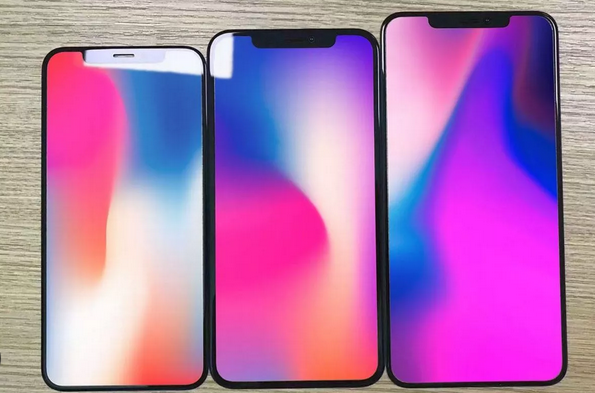
Apple has built a reputation for meticulously engineered hardware, premium design, and steady innovation. Every year, millions of iPhone users eagerly anticipate the next generation model — hoping for advances in performance, display technology, camera capabilities, and overall user experience. So when rumors start circulating about a new iPhone that seems to go backwards rather than forwards, people outside and inside the tech industry take notice.
One such rumor is the return of the iPhone 9 — a name that has lingered in rumor cycles for years. This upcoming Apple phone, tipped in leaks and early industry chatter, was expected by some to be an exciting new entry in Apple’s lineup. Instead, recent leaks strongly suggest that the iPhone 9 may fall far short of expectations, potentially making it one of the most disappointing Apple devices in recent memory. In this article, we’ll explore in detail what these leaks say, why many observers are underwhelmed, and what this could mean for Apple and its customers.
The Return of the iPhone 9 — What’s the Deal?
The iPhone 9 isn’t a brand-new idea. In fact, Apple never actually released a phone named “iPhone 9” in its original product sequence. After the iPhone 8, Apple famously skipped the number 9 and launched the iPhone X, signaling a new generation of design and technology. More recently, rumors began suggesting that Apple might resurrect the name for a more affordable entrant — potentially aimed at users who prefer simplicity, familiarity, and value over cutting-edge innovation.
These rumors picked up because of prototype references, retailer inventory leaks, and internal code mentions that pointed to a device internally labeled as “iPhone9”. Early chatter suggested this would be a lower-cost iPhone with a classic design, intended to appeal to buyers upgrading from older hardware.
However, rather than delivering excitement, recent leaks paint a picture of a handset that might actually feel dated and compromised compared to both Apple’s flagship phones and many modern rivals.
Dated Design — A Step Backward
One of the most visible complaints in the recent leaks about the iPhone 9 centers on its design. Rather than adopting the modern full-screen aesthetics that have defined Apple’s flagship models for the past several years, the iPhone 9 is rumored to adopt a much more traditional appearance.
Instead of the edge-to-edge display seen on recent iPhones, the iPhone 9 reportedly features thicker bezels and possibly a design that recalls the iPhone 8 era. This means a smaller usable screen area and an older-looking exterior — hardly what users expect from a “new” iPhone.
For consumers who have gotten used to the immersive look of modern smartphones, returning to a thick-bezel design feels like a clear step backward. It suggests that Apple is prioritizing cost savings over aesthetic progress — and that’s disappointing to many people paying for a device that is marketed as a premium experience.
Underwhelming Display Specs
The display is one of the most important features of any smartphone, and leaks indicate that the iPhone 9 may fall short in this area as well.
Rather than an OLED screen — which most premium phones use today for deep blacks, vibrant colors, and better efficiency — the rumors point to an LCD panel. While LCDs are still serviceable in many applications, they simply can’t match the contrast, brightness, and color performance of OLEDs.
On top of that, information circulating about the display hints at a relatively low resolution. In an era where smartphones with high refresh rates, HDR support, and dense pixel counts are common even in midrange devices, an outdated LCD with modest resolution would feel underpowered by comparison.
For a device that some hoped might be a capable budget iPhone, this is a sticking point. Users who enjoy media consumption, gaming, or just scrolling through vibrant images will likely feel that the display does not compare well with what is offered elsewhere in Apple’s lineup — or by competitors.
Processor and Performance — Not Cutting Edge
Performance leaks suggest that Apple may equip the iPhone 9 with a chipset that is not the latest in its family. While Apple’s chips have long been industry leaders in raw speed and efficiency, using an older generation processor (such as one from a prior flagship series) would be disappointing in a new device, especially one marketed toward people upgrading from even moderately recent phones.
This is particularly relevant because the iPhone 9 is expected to be positioned as an affordable alternative — meaning some customers might have higher expectations for performance improvements over their older devices.
The choice of an older chip could translate into slower performance compared to newer models, especially in areas like multitasking, gaming, augmented reality, and machine learning tasks. While the hardware may still be adequate for basic use, it raises questions about long-term viability and future software updates.
Camera Capabilities — Basic at Best
In recent years, Apple has leaned heavily on camera improvements to drive new iPhone sales. Advanced multi-lens systems, sensor enhancements, and computational photography features have all been major selling points for flagship models.
Leaked information around the iPhone 9 suggests that Apple may not include many of these features in this model. Instead of dual or triple-lens arrays with optical zoom and advanced depth mapping, the iPhone 9 is rumored to rely on a single rear camera. While a single camera can still take decent photos, especially with Apple’s software optimizations, it means sacrificing versatility and advanced photographic features.
For users who enjoy mobile photography as part of their daily routine, this limitation can feel like a major disappointment. With many affordable Android phones now offering multiple lenses, night modes, and competitive imaging performance, the iPhone 9 could struggle to impress even at a lower price point.
Lack of Modern Authentication Features
Face ID, Apple’s facial recognition system, has become a hallmark of its modern devices. It provides fast and secure authentication for unlocking the phone, making payments, and accessing secure apps. Some leaks hint that the iPhone 9 might bring back Touch ID via a home button, rather than adopting Face ID.
While some people prefer Touch ID and find it more reliable in certain situations (such as while wearing masks or gloves), returning to this older method on a new device could be interpreted as Apple taking a regression rather than a progression.
Moreover, without Face ID and the newer gesture-driven interface paradigm, the iPhone 9’s user experience may feel inconsistent with Apple’s broader ecosystem and design direction. For buyers expecting modern interaction patterns, this could be a noticeable mismatch.
Connectivity and Features — Falling Behind
Another area where leaks raise concerns is support for the latest connectivity standards. In a world where fast 5G networks are expanding globally and consumers expect their devices to handle high-speed data, streaming, and cloud services with ease, rumors suggest that the iPhone 9 might lack support for 5G.
Instead, it could be limited to older cellular technologies — meaning users would not benefit from the peak speeds available in many regions. Combined with a more basic feature set elsewhere, limited connectivity support would make the iPhone 9 less future-proof than competing devices.
Additionally, other modern features like high refresh rate displays (e.g., 90Hz or 120Hz), advanced wireless charging, or enhanced biometric sensors appear absent or unlikely based on current leaks. As a result, the device could feel dated even compared with midrange Android phones that include some of these options as standard.
Pricing vs. Value — A Mismatch?
One of the reasons the iPhone 9 was rumored in the first place was the idea of offering a more affordable iPhone option. If Apple could sell a new phone at a lower entry price, many everyday users might find upgrading more accessible — especially those who are currently on older devices but don’t want or need cutting-edge features.
However, the recent leaks suggest that the trade-offs Apple might make to achieve a lower price point could be too steep for many buyers. A dated design, basic performance, limited camera capabilities, and lack of modern connectivity might not justify even a mid-tier price tag — particularly when there are other devices in the market that offer more up-to-date specs at similar prices.
This raises a central frustration among critics: the iPhone 9 might end up feeling like a compromise rather than a compelling choice.
Who Will Actually Want the iPhone 9?
Despite the negative tone around these leaks, there are segments of users who might find the iPhone 9 appealing — even with its limitations.
1. Users with Older iPhones
People still using very old iPhone models (such as the iPhone 6, 6s, 7, or even older iPhone 8 devices) may appreciate a simple, reliable device that still runs current iOS versions and gets basic performance improvements.
2. Budget-Conscious Buyers
For some buyers, especially those on tight budgets, the iPhone 9 could offer enough performance and ecosystem integration to justify itself — especially if priced significantly lower than flagship models.
3. Fans of Touch ID
There are users who personally prefer the familiarity and convenience of Touch ID over Face ID. For them, the return of a physical home button could be a plus rather than a minus.
However, these niche positives may not outweigh the broader perception that the iPhone 9 lags behind in areas where competitors are pushing forward.
The Bigger Picture — What This Means for Apple
The rumors and leaks around the iPhone 9 highlight a broader strategic question for Apple: how to balance innovation with accessibility.
Apple’s strengths have long been its ability to create products that feel premium, well-designed, and forward-looking. But if the iPhone 9 ends up feeling like a step backwards in too many areas, it risks diluting that reputation — especially in markets where competitors offer strong alternatives at similar price points.
It also raises the question of how Apple views its midrange and budget segments. With the success of the iPhone SE series in previous years (which also took an older design and fresh internals), Apple has shown it can deliver value without feeling outdated. But the iPhone 9 leaks suggest a path that may not live up to that precedent.
Final Thoughts — A Disappointment, Not a Disaster
In the end, the iPhone 9 leaks paint a picture of a device that many hoped would be a surprise standout but instead looks likely to be underwhelming. While it may serve a practical role for certain users, it doesn’t seem poised to set the tech world on fire or redefine expectations in its category.
For Apple, the challenge now is to ensure that this model — if it launches with these characteristics — still feels like it belongs in a premium ecosystem, and not like a retro throwback that hasn’t kept pace with industry advances.
For consumers, it may reinforce the idea that if you want cutting-edge performance, display quality, camera prowess, and future-proof features, you’ll need to look toward Apple’s flagship lineup or strong alternatives from other brands.
Only time will tell whether Apple surprises us with further refinements or confirms the disappointing picture that current leaks suggest. But as it stands today, the upcoming iPhone 9 appears poised to be a huge disappointment for tech enthusiasts and average buyers alike — a device that most people will look at and simply shrug.